|
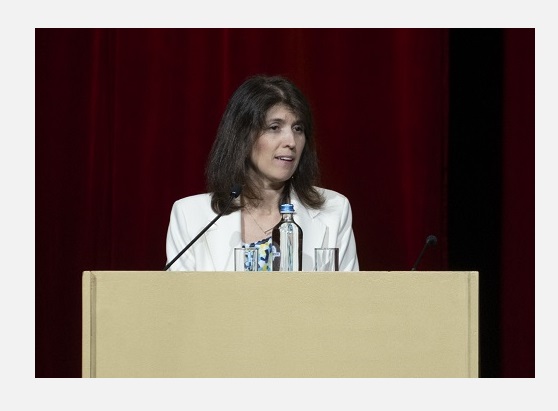
Keynote address: Janet Wilkinson, Chair of ICMA
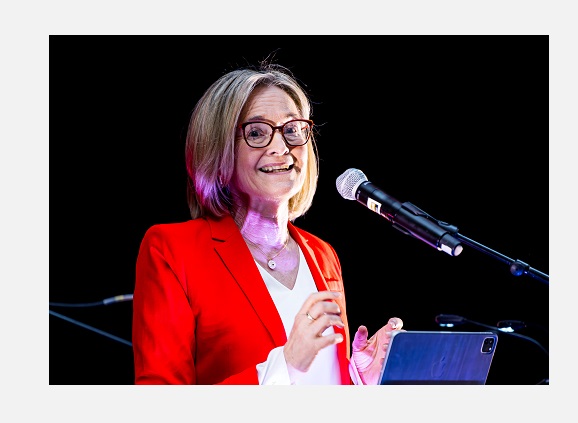
Janet Wilkinson, Chair of ICMA, gave her opening remarks, highlighting the challenges of the current geopolitical climate.
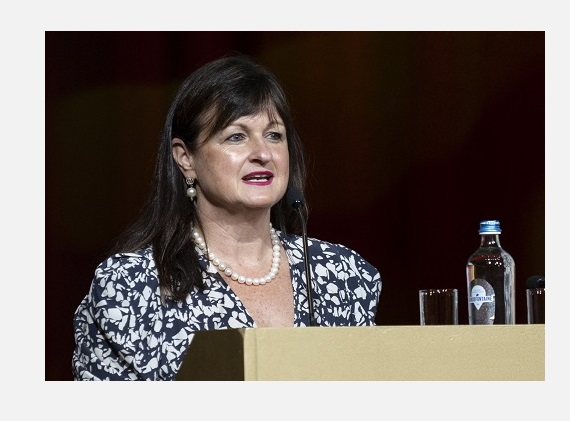
Keynote address: Alexia Bertrand, State Secretary for the Budget and Consumer Protection, as well as Minister of Justice and the North Sea to the Federal Government of Belgium
In her keynote, Alexia discussed the Belgian budget, highlighting the expenditure challenges that come with high taxation and retaining a strong social security system.
Panel Discussion: Forum of industry leaders on international capital markets trends and prospects
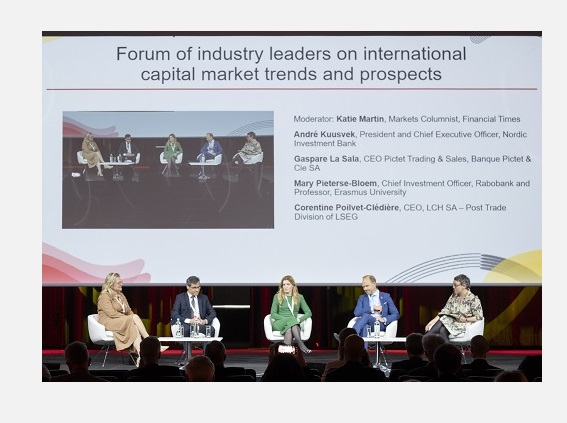
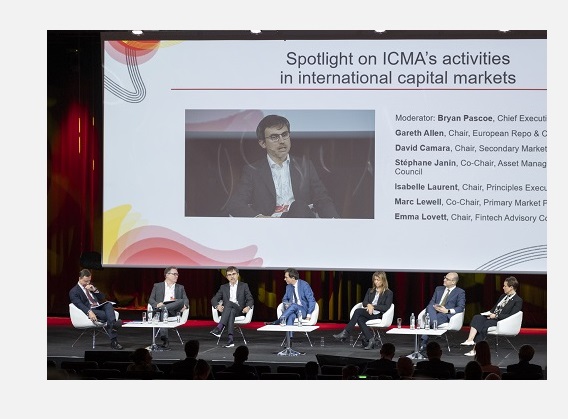
Following Alexia Bertrand’s keynote, Katie Martin, Markets Columnist at the Financial Times, led a forum panel of industry leaders from Nordic Investment Bank, Banque Pictet & Cie SA, Rabobank and LSEG to share their insights on international capital market trends and prospects.
The panel discussed the upcoming EU and US elections and how these could lead to national sovereignty at the expense of globalisation, creating complexities for global corporate actors. They also explored the absence of risk with EU banks and how even despite strict regulations, bank failures such as Credit Suisse can occur. This sparked a conversation on whether bank capital reforms are making banks so safe and capitalised that they can’t lend, creating a ‘safe graveyard’.
The panel also shared their “asks from Brussels”, where the overwhelming sentiment was the need for greater unification and engagement in the EU to increase the union’s international competitiveness, echoing Mairead McGuinness’ opening keynote yesterday.
In conversation: Bart Schmeetz, Global Head of Financial Markets at ING and Maria Tadeo, European Correspondent
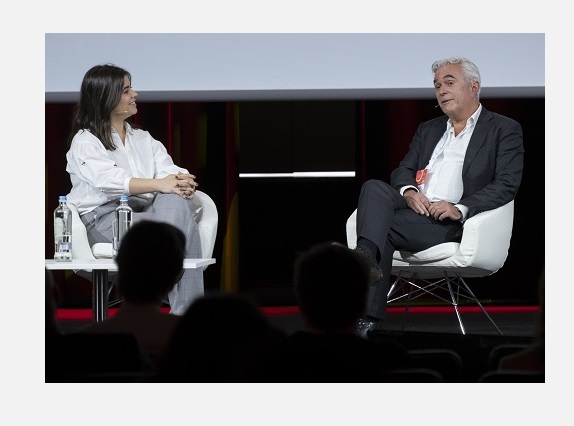
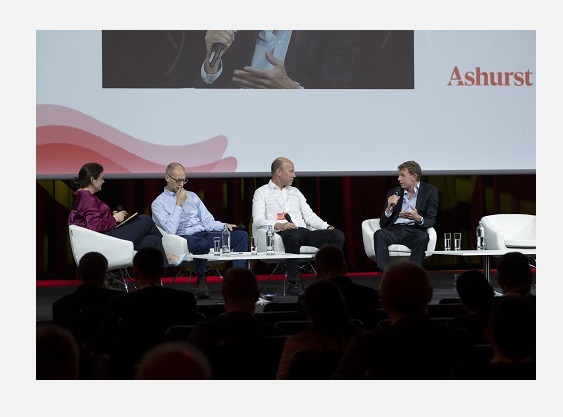
ING's Global head of Financial markets, Bart Schmeetz, and financial journalist, Maria Tadeo, sat down to discuss the key component of people in any organisational transformation and restoring the balance of decision-making across ING's regional and central units to engage his team and drive change.
When he took on his brief, Bart’s division had the lowest rates of engagement and morale. During his work, that reversed and the collective drive towards shared goals and execution led to the highest rates of engagement and motivation.
Bart also focused on data-driven knowledge, gaining a better understanding of clients, being quicker in re-pricing after-market events and moving digitalisation from project status to business as usual.
Panel Discussion: Global challenges and European outlook
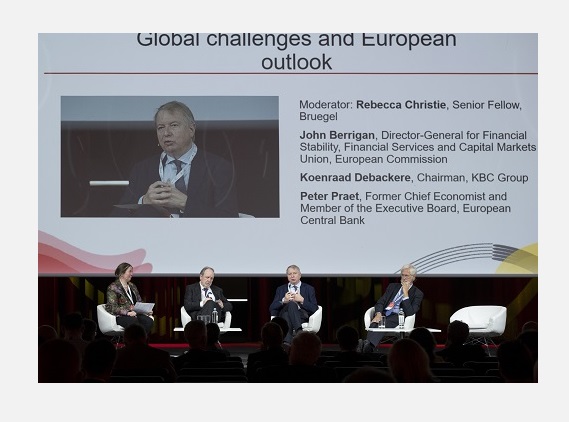
Rebecca Christie, Senior Fellow at Bruegal was joined by experts from the European Commission, KBC Group and the European Central Bank to discuss current global macroeconomic challenges and how these will impact Europe.
The panel explored the geopolitical transformation of the last few years and how events such as the Russia/Ukraine war and COVID has forced a rethink of globalisation, and how finance is becoming increasingly politicised.
The panel also discussed how economic security will loom large in the discussion and considering onshoring vs diversifying when deciding how best to balance economic security with remaining open. This includes financial regulation, where the panel explained the importance of smart regulated to keep market participants safe whilst still promoting innovation.
The panel went on to share how central banks are actively trying to reduce their excessive footprint on global financial markets, mulling over how much central bank liquidity should be supplied in the ‘new normal’.
Keynote address: Valérie Urbain, Chief Executive Officer, Euroclear
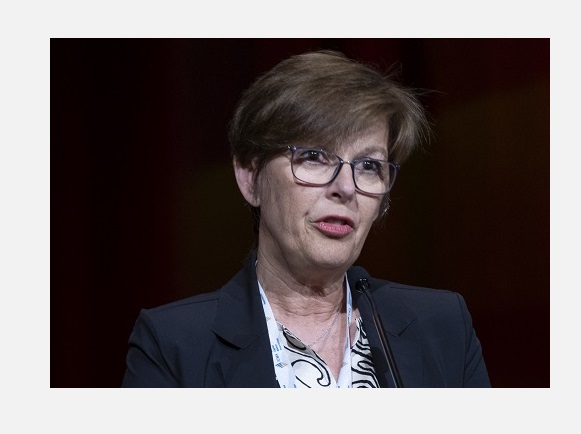
The newly appointed CEO of Euroclear took to the stage for an engaging, forensic and wide-ranging keynote.
Valérie reflected on how the world economy and capital markets have been going through uncertain times; how we are all tasked with navigating an uncertain landscape; with Europe continuing to face challenges to its economic growth; and the challenges of an aging population and climate change.
She spoke of the need to expand and deepen European capital markets to support the real economy, improving levels of retail investment, expanding access to market-based finance and access to risk capital.
The development of a single capital market for Europe was explored, acknowledging the structural and political challenges of doing so – with complex workstreams touching on fundamental aspects of national sovereignty.
Valérie spoke about the growth and popularity of Eurobonds, instruments which have helped borrowers to raise capital, attracting a wide range of investors globally and how bond markets have the capacity to provide the largest source of funding to companies to support growth and for households to invest their savings.
Ultimately the priority is to ensure the ongoing health and attractiveness of European capital markets for companies and investors alike.
She encouraged moves to work towards a more effective integration of individual markets, converging the fundamental frameworks such as solvency laws, tax procedures and securities laws.
Valérie ended her thoughtful keynote with a positive reflection on the ongoing good health of capital and wider financial markets and systems and their ability to weather and adapt to change and challenge.
Keynote address: Verena Ross, Chair of ESMA keynote address – Improving EU capital markets today and tomorrow
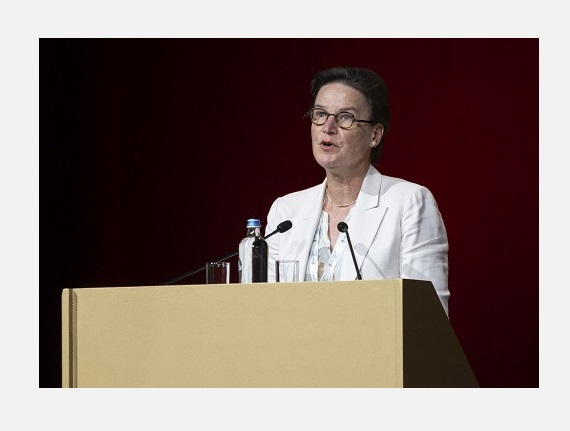
Verena Ross, Chair of ESMA, took to the stage for her keynote speech in which she discussed ESMA’s recent position paper on building more effective and attractive markets in the EU. The position paper outlines observations regarding EU capital markets and how the EU’s strategic messaging can be strengthened.
Verena discussed how market-based financing is currently underutilised in the EU when compared to the rest of the world and the impact on the attractiveness and competitiveness of EU markets globally. She went on to explain the importance of investment to ensure strong capital markets and financial firms that put the interests of investors at their core.
She closed her keynote with a call to action, expressing how a simple and transparent regulatory regime, as well as industry collaboration, is necessary to make European markets more innovative and attractive.
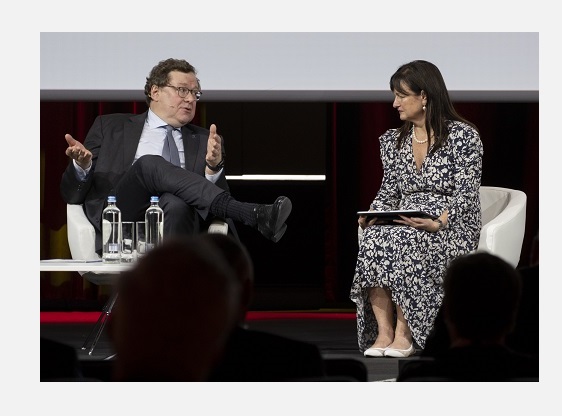 In conversation: Jean Paul Servais, Chairman of IOSCO In conversation: Jean Paul Servais, Chairman of IOSCO
Jean-Paul Servais, Chairman, International Organization of Securities Commissions (IOSCO), sat down with ICMA Chair Janet Wilkinson to discuss the evolution of securities and impact of crypto, tokenization and AI.
In conversation: Reflections from a career in the public capital markets
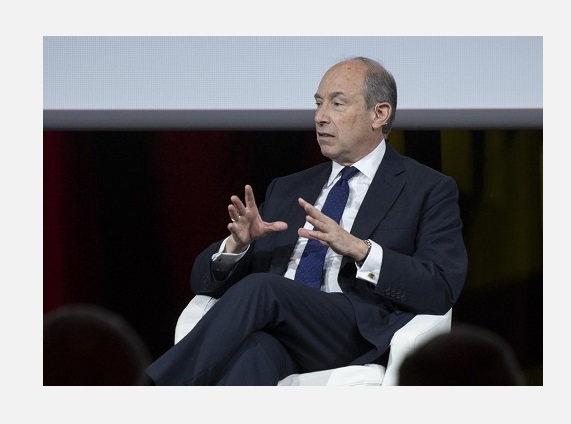
Sir Robert Stheeman has enjoyed a distinguished career, culminating in his role as Chief Executive Officer for the UK’s Debt Management Office.
His discussion with Bryan Pascoe, Chief Executive of ICMA, reflected on his time at the helm of the UK DMO and the importance of the DMO’s collaborative approach with the markets to achieve its objectives.
He talked about the importance of being predictable and transparent – in short, a known quantity – and balancing being cautious and employing innovation where it is necessary, as a means to an end, not an end in its own right.
Sir Robert talked about his tenure through the financial crisis, Brexit, Covid, the mini-budget and how the market has changed and become more liquid, giving the government more options and diversity in issuing debt and raising investment.
Holistic impact in investment markets: hosted by EMpower – The Emerging Markets Foundation and MarketAxess
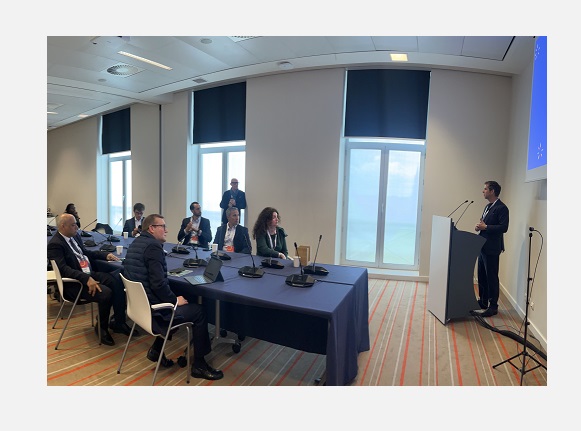
Adam Heuman from EMpower, the Emerging Markets Foundation, led an inspiring session in our first breakout working group of the day.
Adam talked about how the financial services industry can make a difference to young people living at the margins in emerging markets.
EMpower support’s and works closely with local, dedicated organisations in emerging market countries focused on solutions that integrate the voices and experiences of marginalised young people aged 10–24.
Thank you to partner MarketAxess for supporting this session and work.
Find out more about Empower and its important work here: https://empowerweb.org
Panel Discussion: The current and developing role of SSAs in today's global landscape
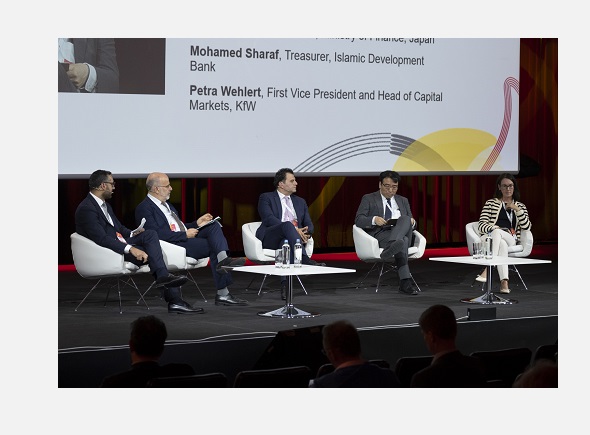
Our next panel covered sovereign, supranational, and agency bonds - SSAs – the bonds issued by institutions like the World Bank and their role in the financial landscape.
HSBC’s Asif Sherani, Managing Director and Head of DCM Syndicate & Public Sector DCM was in the chair, moderating our panel of guests from across the globe.
Discussions centred around geopolitical and global risks, the shifts in rates and monetary policies and how funding programmes and development banks have responded.
Panel Discussion: The global repo market: State of play and outlook
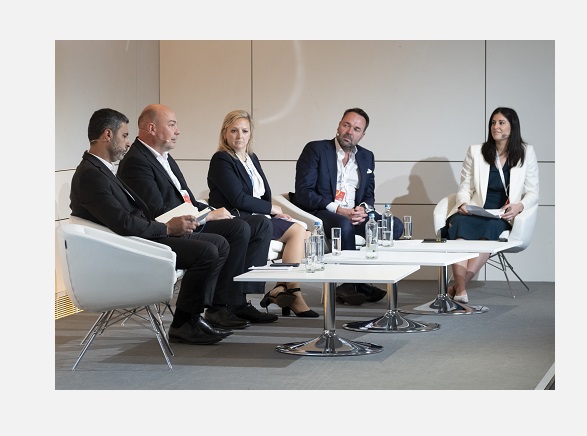
Moderator, State Street’s Cassie Jones led the panel through a useful discussion on global repo markets, an important area for our delegates and focus for ICMA.
Our panellists explored the current state of play in the repo markets, how funding and liquidity is shaping up for 2024 and the market dynamics of supply and demand.
Talk once more turned to digitization and how the repo market is adapting to usage of different platforms to improve efficiency. The time frame and utility of distributed ledger technology to improve this important market repeated a theme from throughout the conference so far – will DLT be adopted at scale and if so, when?
The panel also covered how repo capacity might change in the wake of Basel III with increased demands on dealers capacity to deal with new capital requirements.
And with automation and innovations in the repo markets, are we finally seeing mass adoption of automation capabilities throughout the repo lifecycle from trade origination through to settlement?
Thoughts turned to T+1 – also being explored in a panel in the next hall – with the panel exploring how T+1 minimizes counterparty default risk but could increase settlement and operational risk.
Panel Discussion: T+1, Central clearing and the Tape: Navigating Bond Market Evolution and Fragmentation Risks
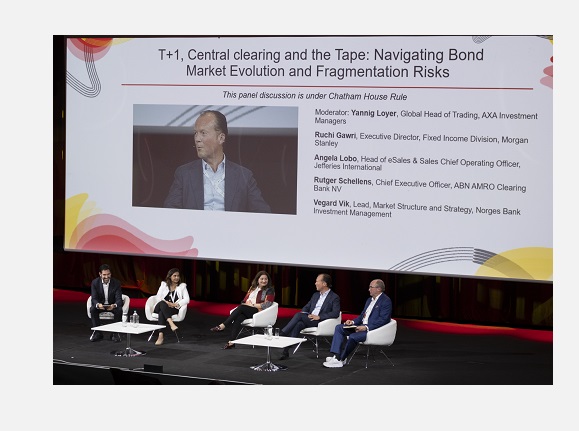
Conducted under Chatham House Rule, Yannig Loyer, Global Head of Trading at AXA Investment Managers, led a panel focusing on navigating bond market evolution and fragmentation risks due to T+1 settlement, central clearing and the Consolidated Tape.
This panel included leaders from Morgan Stanley, Jeffries, ABN AMRO Clearing Bank NV and Norges Bank Investment Managements.
Panel Discussion: The dynamics and hurdles facing the short-term fixed income markets
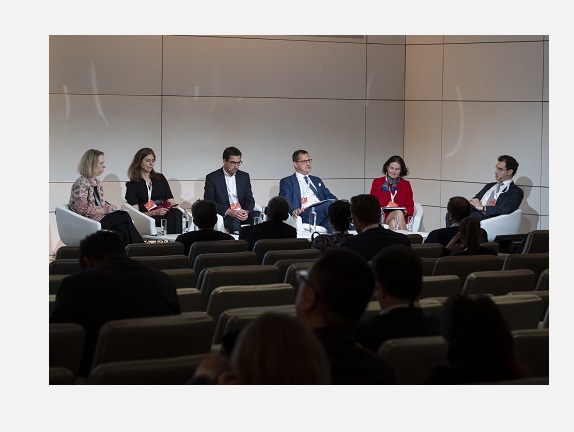
The panel discussed the size of the ECP market and importance of MMFs, in addition to how markets and MMFs are currently performing and policy measures to shore up market resilience. Also on the agenda was MMF reform and the potential effectiveness of using them as a store for cash.
Topics also covered the importance of MMFs in contributing to the real economy and the lack of transparency, data and pricing within them. Panellists spoke of the need for these issues to be addressed by getting rid of the inefficiencies in the post-trade, but debated whether higher transparency would, in fact, attract new participants to the space and whether too much transparency could bring unintended consequences.
Panel Discussion: The future of sustainable finance and the challenges of transition
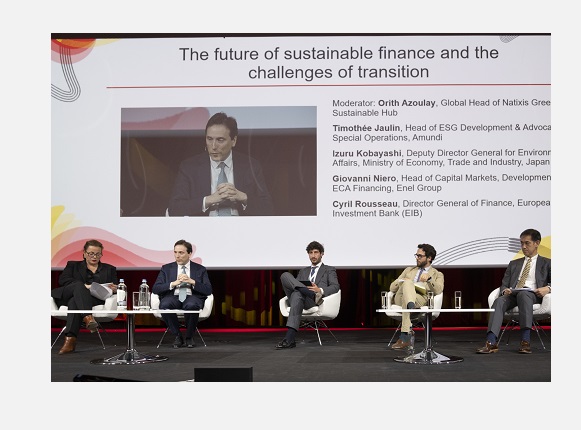
Moderated by Orith Azoulay, Global head of Natixis Greem & Sustainable Hub, the final panel of the panel of the day explores the future of sustainable finance and the challenges the green transition.
Conversation centred around the European taxonomy for sustainable activities, providing insights on the details of the classification and how it has acted as a driving force for sustainable investment within the EU.
The panel also looked beyond the EU, discussing the importance of investing in emerging markets and bringing them up to speed in the transition to sustainable finance.
Keynote address
Anders Fogh Rasmussen, Former Prime Minister of Denmark, Former Secretary General, NATO, Founding Chairman, Rasmussen Global, Founder and Chairman, Alliance of Democracies Foundation and Senior Advisor, Citigroup
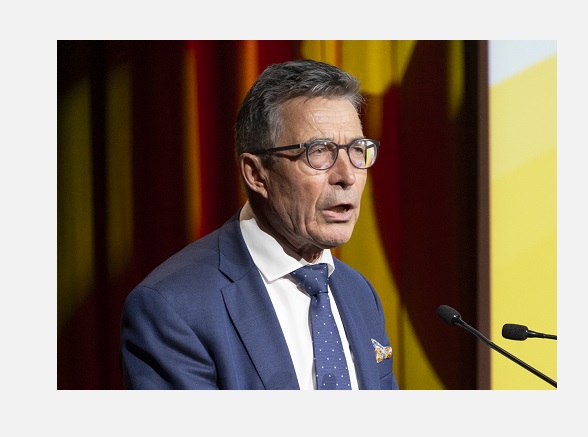
Thanks to Mr Rasmussen for our closing keynote today covering the geopolitical landscape.
That rounds out the first full day of ICMA’s 56th AGM and conference. Thank you to everyone who has contributed so far.
|


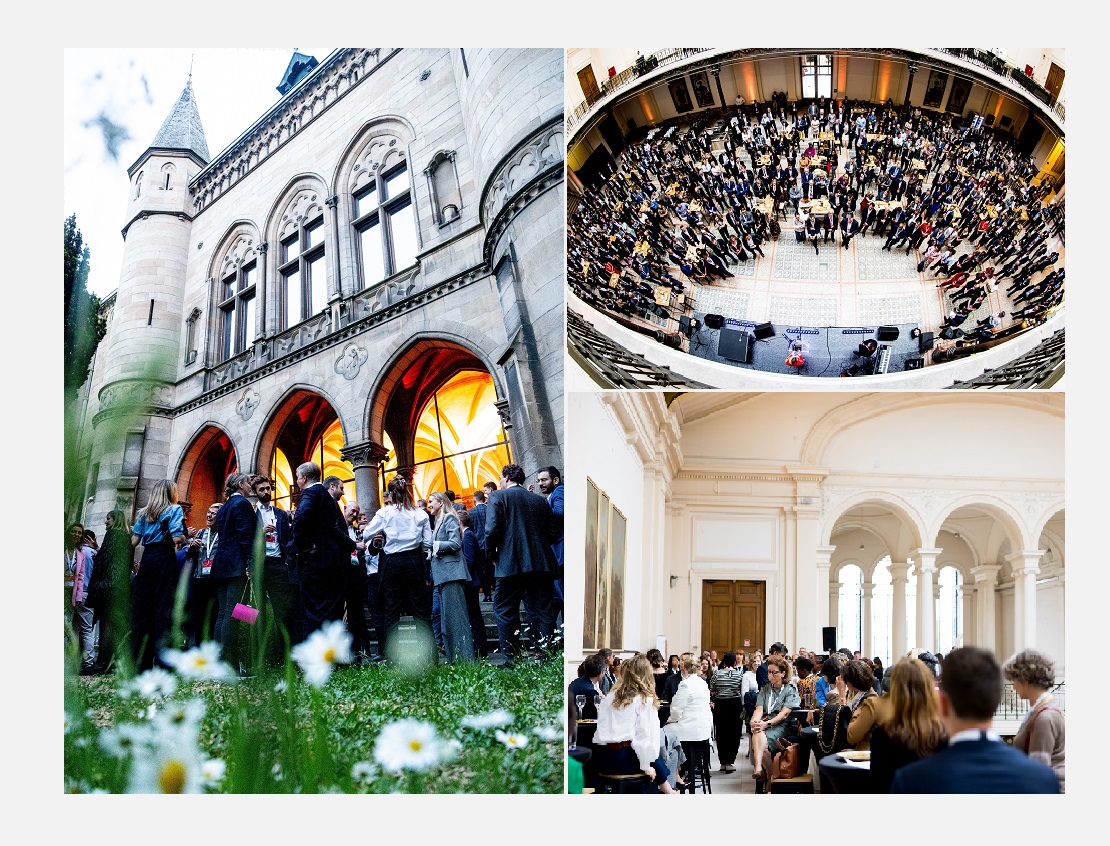 We hosted the welcome reception in the stunning parkland setting of the Royal Museums of Art & History, in the centre of Brussels.
 Following welcome remarks from Herman van Cauwenage, Chair of the Belgian Regional Committee, and Bryan Pascoe, Chief Executive of ICMA, we were honoured to welcome Mairead McGuinness, EU Commissioner for Financial Services, Financial Stability and Capital Markets Union.